IT Infrastructure

IT infrastructure refers to the composite hardware, software, network resources and services required for the existence, operation and management of an enterprise IT environment.

Hardware and Software

Hardware - Physical components that make up a computer system

Software - Computer programs and related data that provide the instructions for telling computer hardware what to do and how to do it

Bring Your Own Device

BYOD refers to the policy of permitting employees to bring personally owned mobile devices (laptops, tablets, and smart phones) to their workplace, and to use those devices to access privileged company information and applications.

E-Commerce

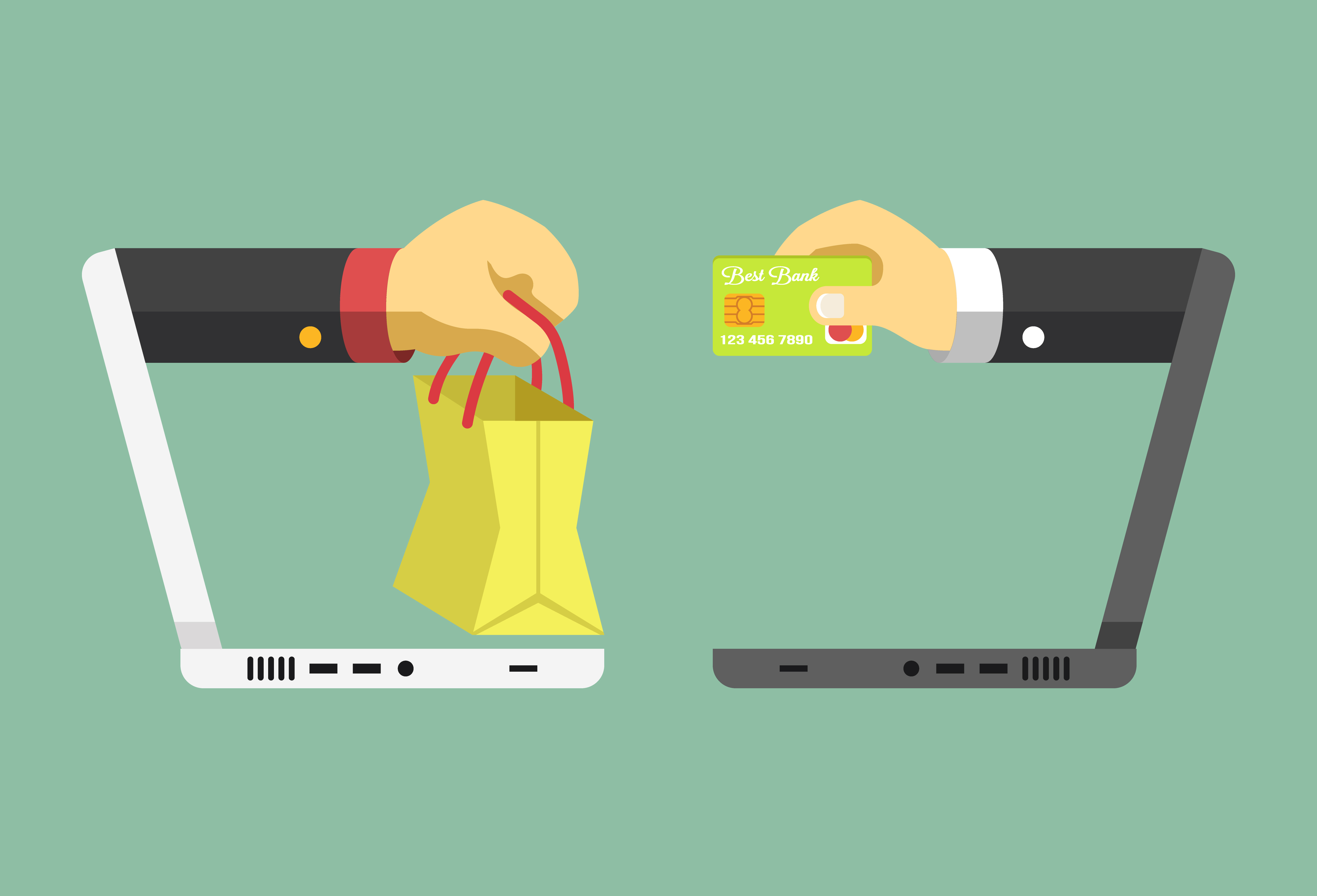
E-commerce is the trading in products or services using computer networks, such as the Internet.

Digital Market, Digital Goods

Digital marketing is an umbrella term for the targeted, measurable, and interactive marketing of products or services using digital technologies to reach and convert leads into customers and retain them.

Digital goods or e-goods are intangible goods that exist in digital form.

Social Media

Social media are computer-mediated tools that allow people to create, share or exchange information, career interests, ideas, and pictures/videos in virtual communities and networks.

Showing posts with label Case Study Intro. Show all posts

Friday, 20 November 2015

MIS CASE STUDY INTRO

MIS CASE STUDY

CHAPTER 5: IT INFRASTRUCTURE: HARDWARE AND SOFTWARE
INTERACTIVE SESSION: PEOPLE
The Pleasures and Pitfalls of BYOD

1. What are the advantages and disadvantages of allowing employees to use their personal smartphone for work?
2. What people, organization, and technology factors should be addressed when deciding whether to allow employees to use their personal smart phones for work?
3. Compare the BYOD experiences of IBM and Intel. Why did BYOD at Intel work so well?
4. Allowing employees to use their own smartphone for work will save the company money. Do you agree? Why or Why not?

CHAPTER 10: E-COMMERCE: DIGITAL MARKETS, DIGITAL GOODS
BUSINESS PROBLEM-SOLVING CASE
Cultivating Customers the Social Way

1. Assess the people, organization and technology issues for using social media to engage with customers.
2. What are the advantages and disadvantages of using social media for advertising, brand building, market research and customer service?
3. Give some example of management decisions that were facilitated by using social media to interact with customers.
4. Should all companies use Facebook and Twitter for customer service and advertising? Why or why not? What kinds of companies are best suited to use these platform?